Creating a Safe 'Answer the Door' Setup for Individuals with Mobility or Hearing Challenges
1/24/20262 min read
Understanding the Needs of Vulnerable Individuals
For individuals who may be slower on their feet or have difficulties hearing, ensuring safety when answering the door is of utmost importance. An effective door answering setup enhances their independence and peace of mind, allowing them to respond to visitors while minimizing risks. This blog post discusses the essential components of a safe "answer the door" system suited for those with mobility or hearing challenges.
Key Components of a Safe Door Answering System
The safest "answer the door" setup typically includes three crucial elements: a loud or visible alert system, communication tools, and, optionally, a remote unlocking mechanism. Together, these features create a coherent and user-friendly solution, addressing the unique needs of individuals with mobility or auditory limitations.
Loud and Visible Alerts
An effective system begins with a robust alert feature that informs users when someone is at the door. For individuals who are hard of hearing, this could involve using a combination of bright flashing lights and loud sounds. Devices like smart doorbells offer customizable options, enabling alerts that suit individual needs. For instance, some systems allow the volume to be adjusted or visual alerts to be enhanced. This dual approach ensures that the user is promptly made aware of any visitors.
Communication Tools for Enhanced Interaction
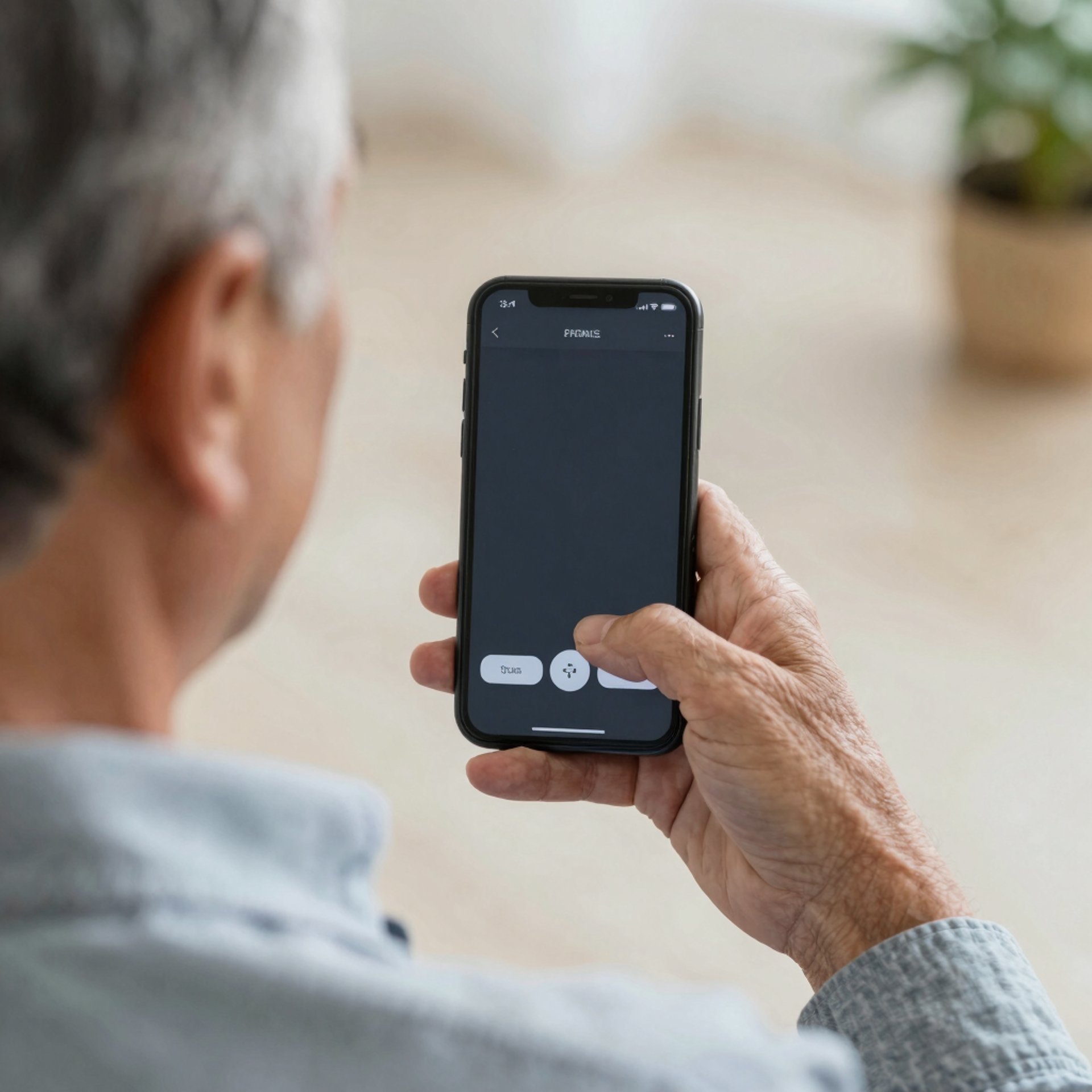
Having a proper communication setup is crucial for a safe and effective "answer the door" solution. Video intercom systems allow individuals to see and talk to visitors without opening the door. These systems can be paired with smartphone applications, enabling users to engage with guests from anywhere in the house. This feature is particularly beneficial for those with mobility restrictions since they do not need to navigate towards the door, yet remain in control of who they allow inside.
Remote Door Unlocking Options
For added convenience, some individuals may opt for remote unlocking capability. This feature enables users to unlock their doors safely without leaving their location. Smart locks work seamlessly with the previously mentioned video intercom systems, allowing users to engage with visitors and grant access with just a tap on their smartphone. This is particularly helpful in situations where mobility aids are necessary or when users are in another part of the home.
Conclusion
Creating a safe "answer the door" setup for those who may be slower on their feet or hard of hearing involves a thoughtful combination of alerts, communication tools, and remote unlocking options. By integrating these components, we can empower individuals to engage with their visitors effectively while ensuring their safety and comfort. In an increasingly connected world, embracing technology solutions can greatly enhance the quality of life for those facing these challenges.